
Dokumentalne
300 documentary films and series, 1950 to 2026, on six channels and seven subjects.
Most popular


Channels
Poland and Central Europe
All 53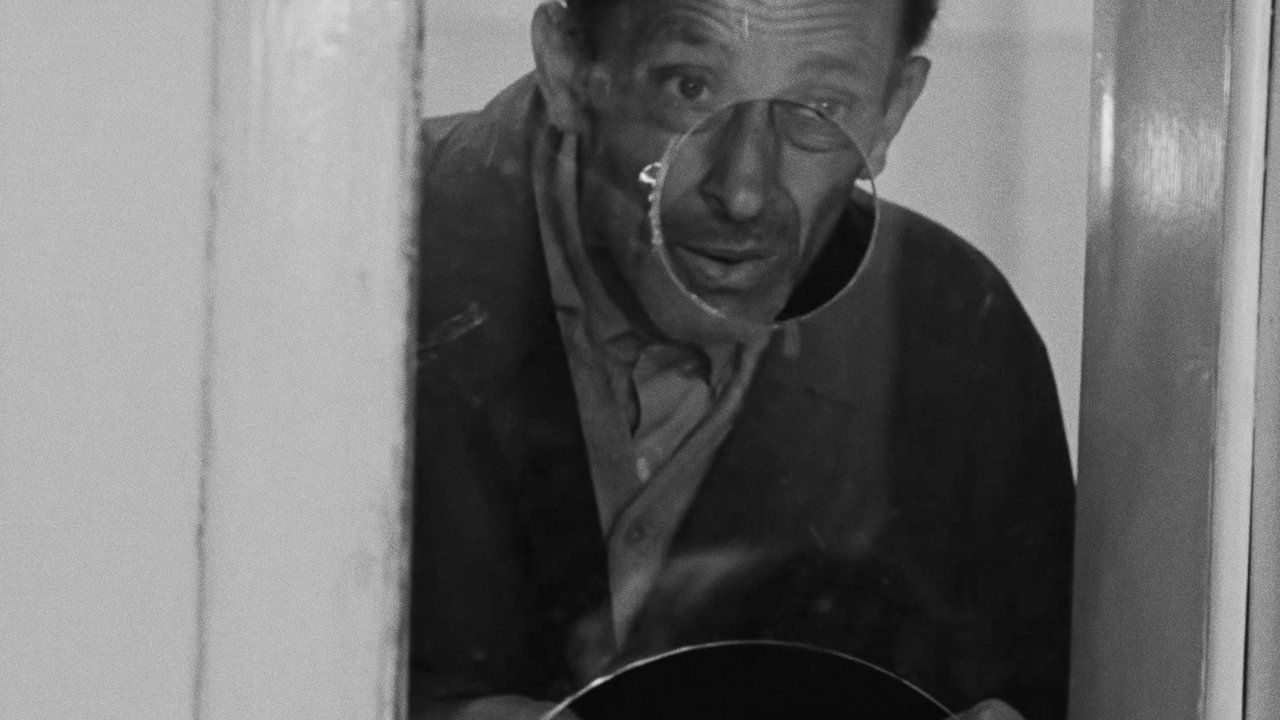 The Office1966
Japan
All 35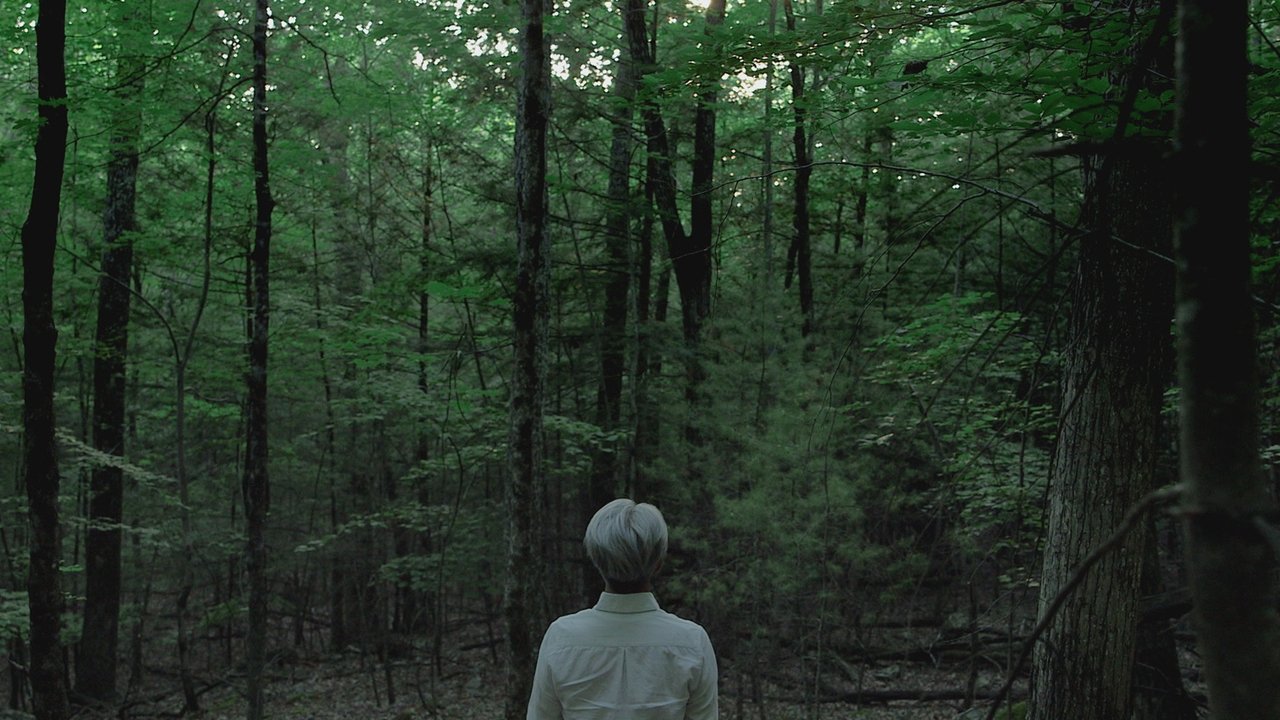 Ryuichi Sakamoto: CODA2017
China and Korea
All 51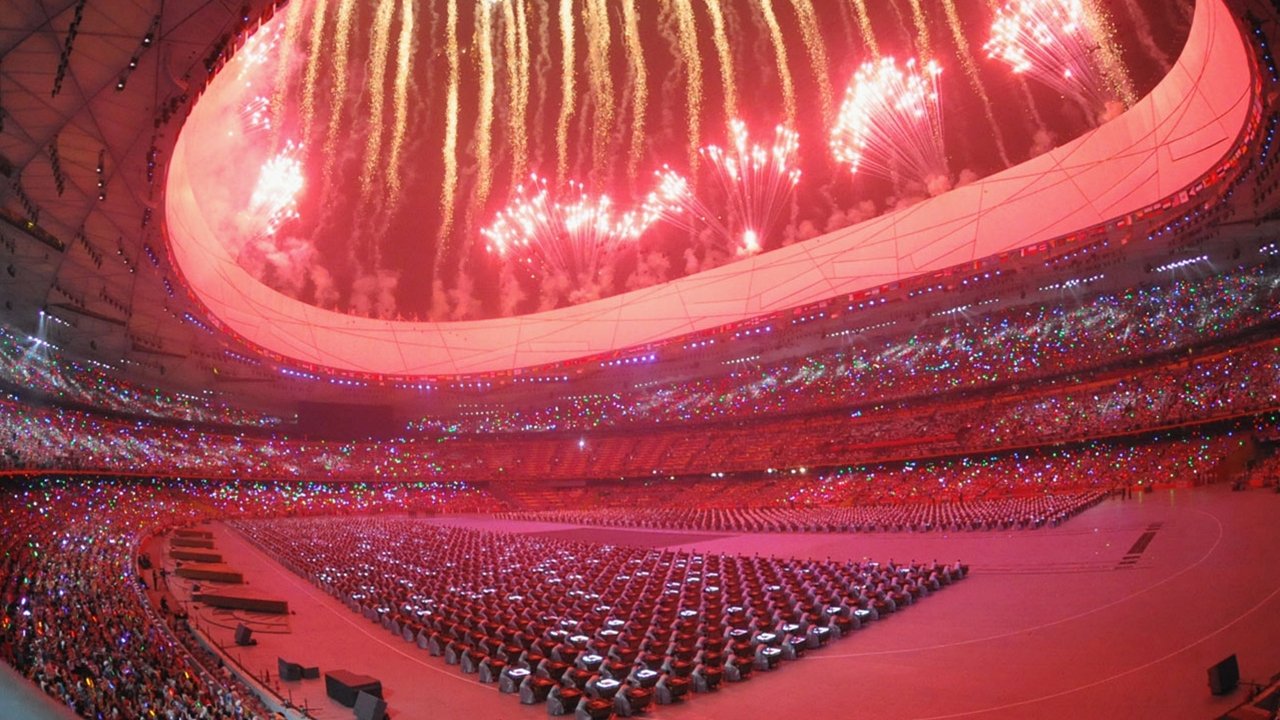 Beijing 2008 Olympic Opening Ceremony2008
Brazil and Portugal
All 60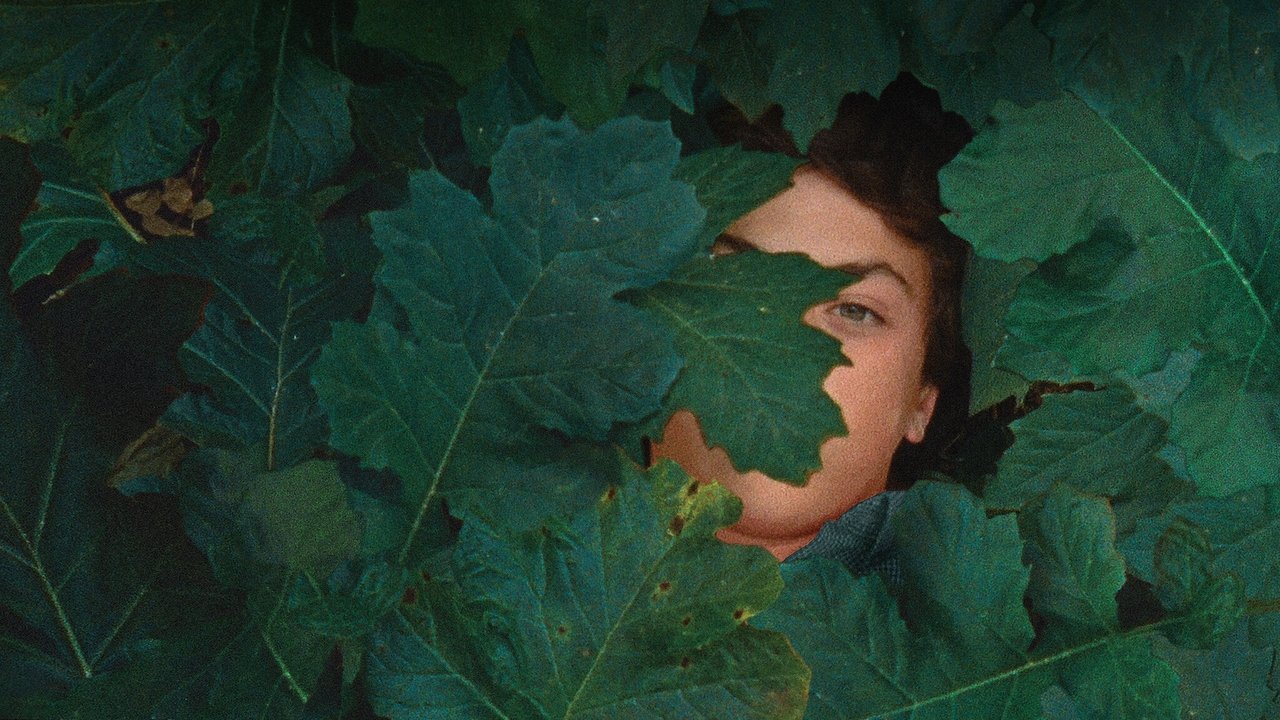 The Metamorphosis of Birds2021
The Netherlands
All 28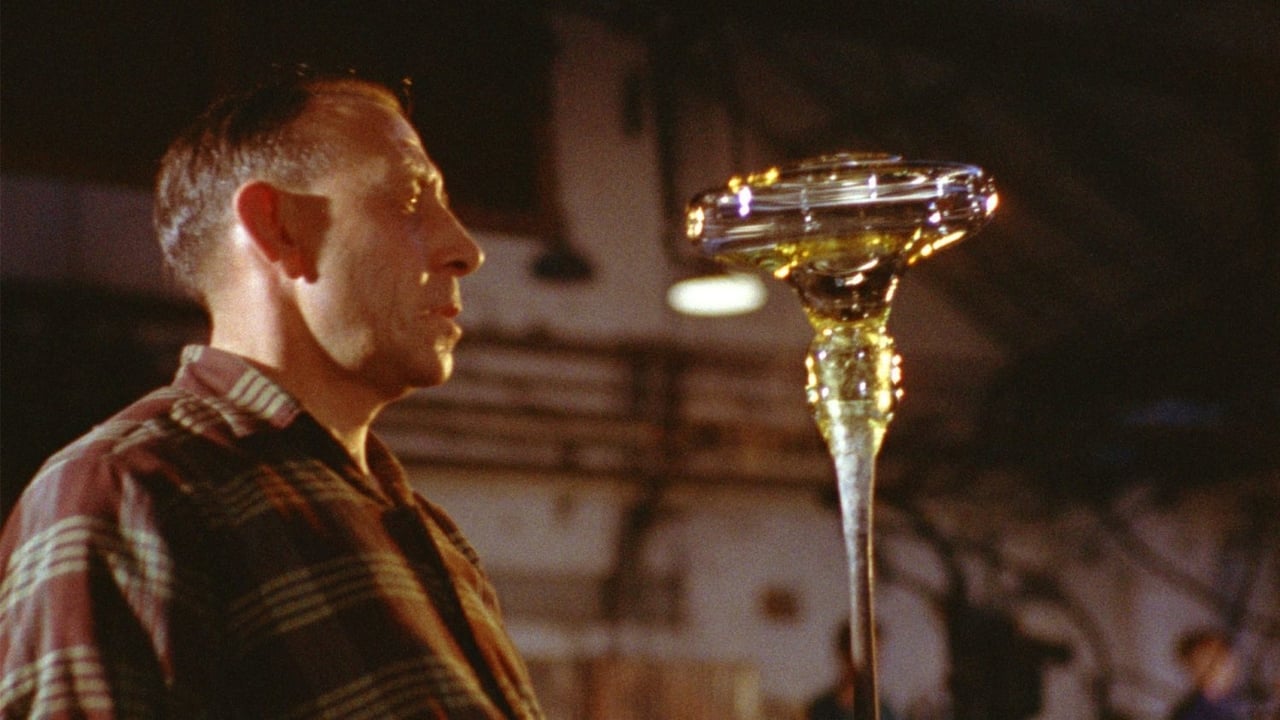 Glass1958
Nordic countries
All 73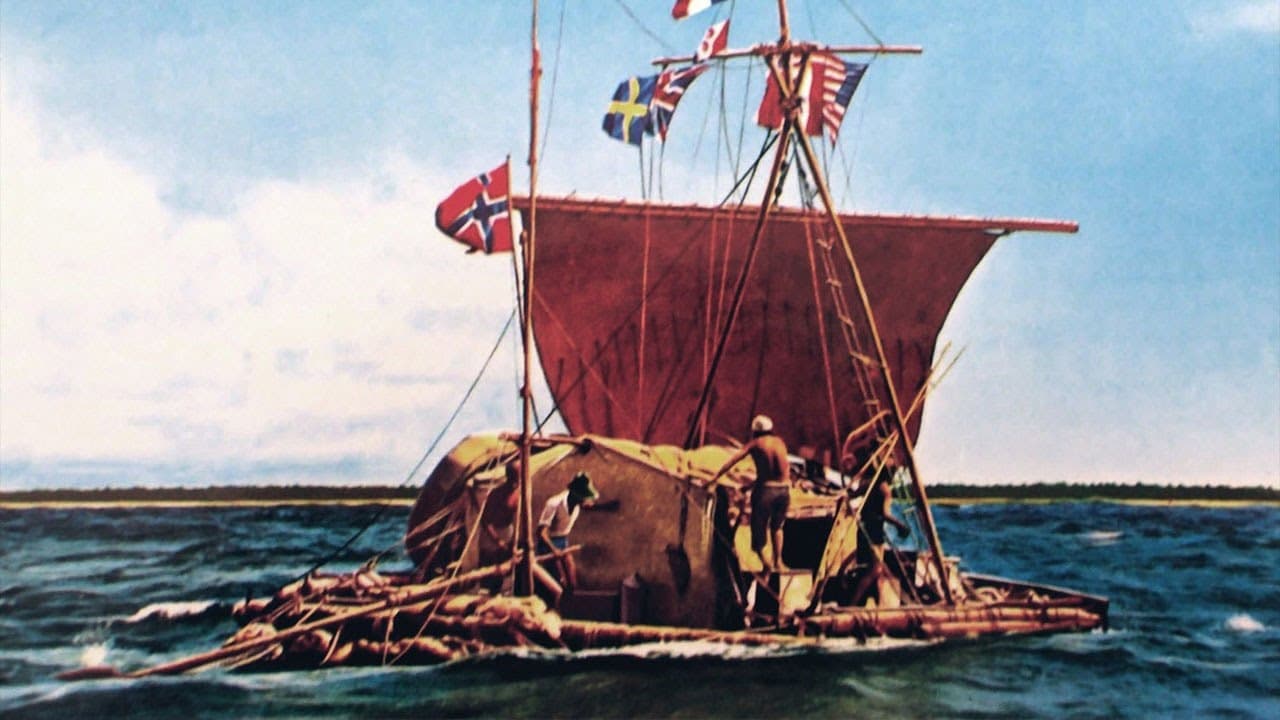 Kon-Tiki1950
Subjects
Nature
All 42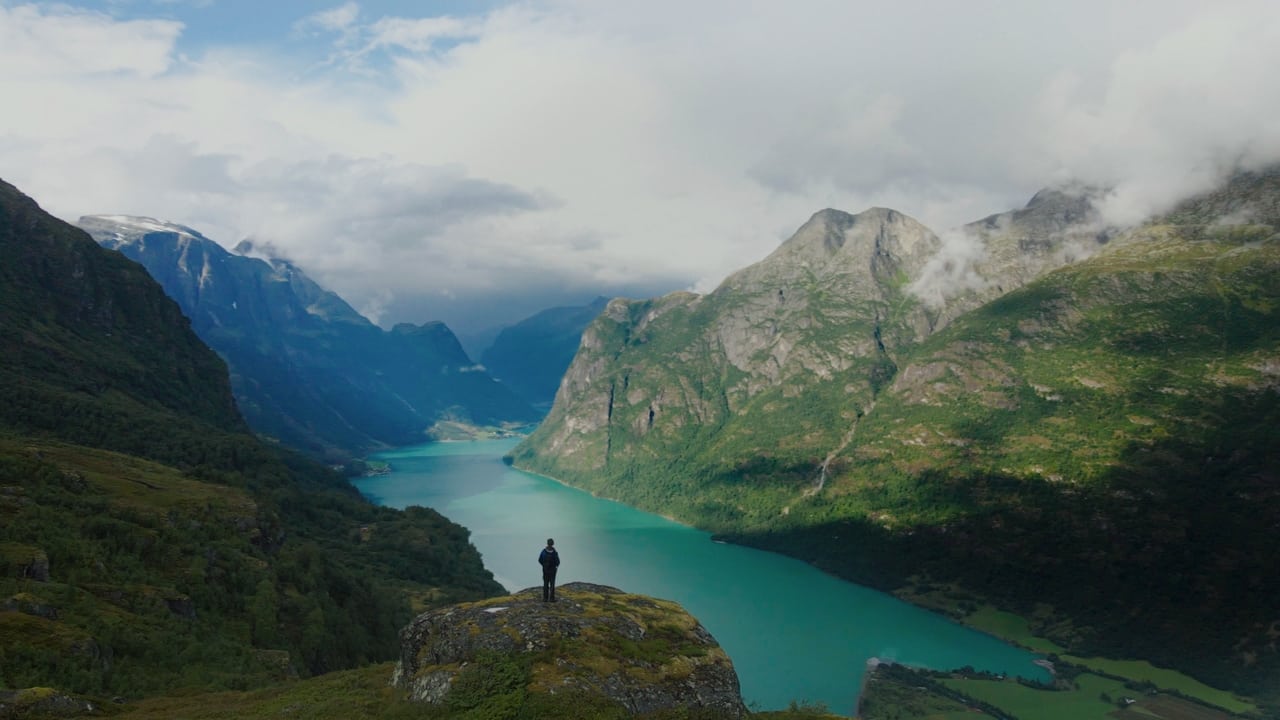 Songs of Earth2023
Food
All 22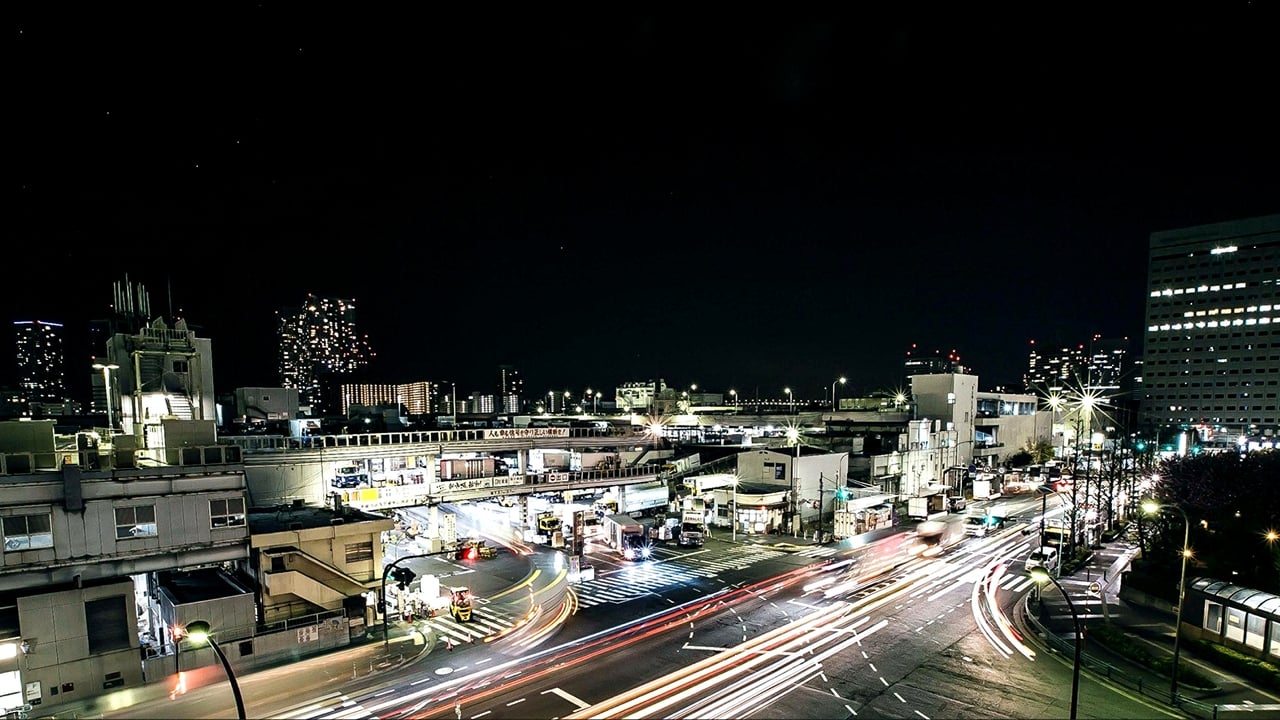 Tsukiji Wonderland2016
- Once Upon a Bite2018
- Flavorful Origins2019
- Life is Fruity2017
- Tora-San of Goto2016
- The Story of Chuaner2018
- Inland Sea2018
Sport
All 48 Garrincha: Joy of the People1962
Music and dance
All 43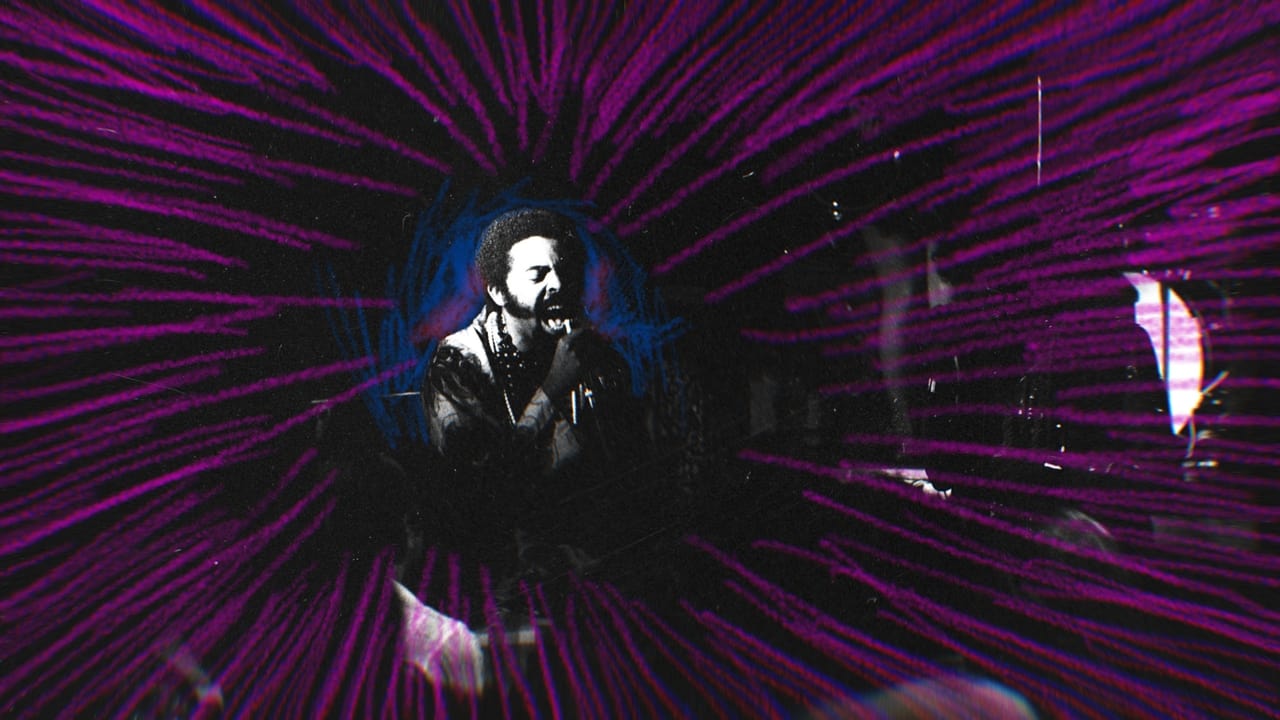 Tropicália2012
Cinema and screen
All 37 The Making of Fanny and Alexander1984
Art and ideas
All 40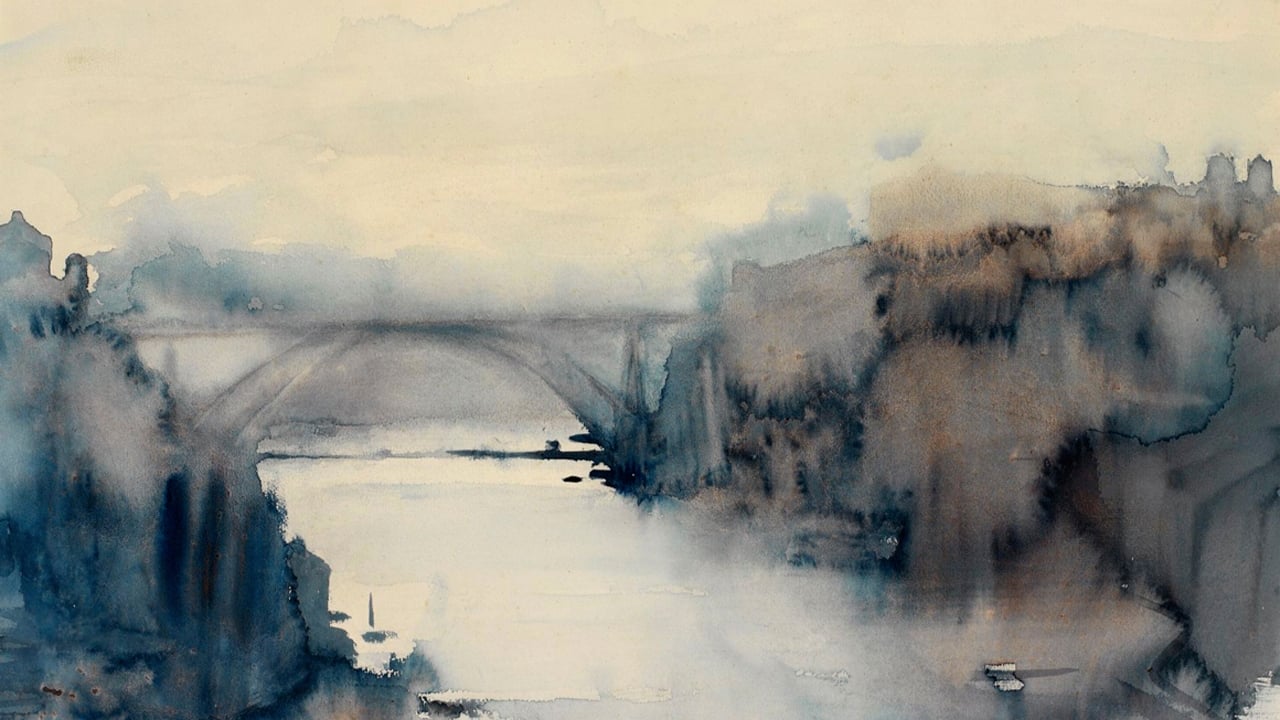 The Artist and the City1956
People and places
All 68 Fårö Document1970
The Dokumentalne guide to documentaries
Dokumentalne: documentaries from Poland, Japan, China, Brazil, the Netherlands and the Nordic countries, with Born in China, Talking Heads, Kon-Tiki, Magnus, Tokyo Olympiad, A Bite of China and Ryuichi Sakamoto: CODA
Every country films itself in its own way. Poland produced a school of short, sharp documentaries in which a director asks a hundred people of every age the same two questions. Japan gave the Olympic Games to one of its finest feature directors and received a film about faces in the crowd. The Netherlands turned ten minutes in a glass factory into a piece of visual jazz that won an Academy Award. Norway put a camera on the front of a train for seven and a half hours and found that half the country wished to watch. Dokumentalne is a guide to 300 documentary films and series of this kind, made between 1950 and 2026 in six parts of the world, which the site calls its channels: Poland and Central Europe, Japan, China and Korea, Brazil and Portugal, the Netherlands, and the Nordic countries. Each title has a page with its country, its director, its running order and a Watch now button that leads to the official services carrying it.
The catalogue holds 230 films and 70 series, and the series have 2,497 episodes between them. Fifty-three titles belong to the Polish and Central European channel, thirty-five to Japan, fifty-one to China and Korea, sixty to Brazil and Portugal, twenty-eight to the Netherlands and seventy-three to the Nordic countries. The same 300 titles are also sorted by subject: forty-two under nature, twenty-two under food, forty-eight under sport, forty-three under music and dance, thirty-seven under cinema and screen, forty under art and ideas, and sixty-eight under people and places. This guide visits the six channels in turn, then the subjects, and closes with the search, My List and a plan for a first fortnight.
What Dokumentalne is
Dokumentalne is a viewing guide. Each of its 300 pages describes one documentary: what it shows, when and where it was made, who directed it, who appears in it, how long it runs and, for a series, how its seasons and episodes are arranged. At the top of the page is a Watch now button with a country selector beside it. Choose the country you are in, press the button, and JustWatch opens with the services that carry the title there, whether by subscription, rental, purchase or free with advertising. The how to watch page sets out the three steps in brief.
The selection was made by hand, one summary at a time, for a household in which several generations watch together. It favours animals, landscapes, kitchens, craftsmen, musicians, athletes, film-makers, schoolchildren and travellers. A documentary earned its place by being about something worth an evening and by treating the people in it kindly, and the 300 titles here were chosen from more than a thousand candidates.
The guide is written in English for viewers anywhere, while the films keep their own languages: Polish, Czech, Hungarian, Japanese, Chinese, Korean, Portuguese, Dutch, Swedish, Norwegian, Danish and Finnish. Each title page states the original language, and many of the shorter classics have hardly any speech at all.
How the pages are arranged
The home page is built from boxes. Under the navy bar, with its red and white HD mark, its search field and its red My List button, a second strip carries the menu: Films, Series, the six channels and the A to Z. The page opens with a row of four large picture tiles for the most popular titles in the catalogue. Below it come two groups of boxes, three to a row. The first group has one box for each channel and the second one box for each subject. Every box has a navy strip with its name and the number of titles, a single still from its leading title, and a numbered list of six further titles with their years. A click on the strip opens the complete list.
The arrangement suits a catalogue that is meant to be read as much as looked at. Thirteen boxes show ninety-one titles on a single page, and the rest are one click away. On a telephone the boxes stand in a single column and the three-bar button opens the menu with a search field of its own.
Poland and Central Europe
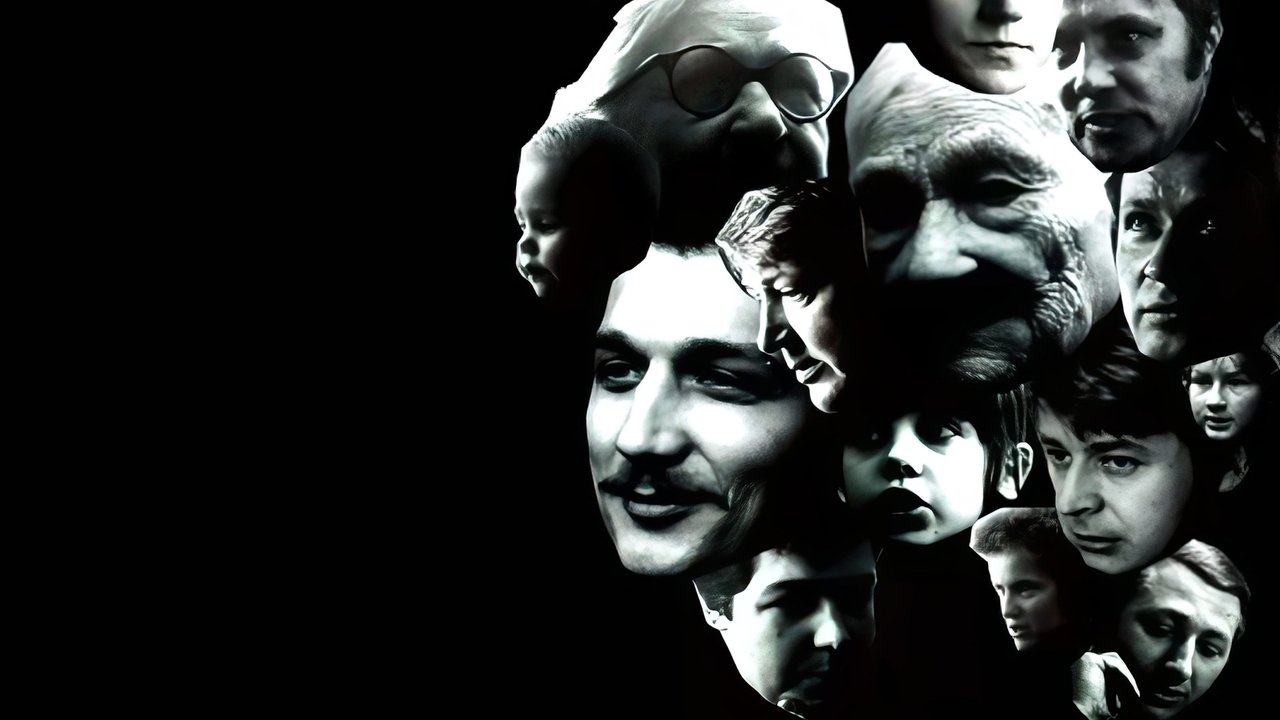
The first channel has fifty-three titles, thirty-nine from Poland, eleven from the Czech Republic and three from Hungary, and the guide to the channel suggests where to begin. Polish documentary has a famous school behind it, and its best-known pupil was Krzysztof Kieślowski, who made documentaries for more than a decade before he turned to the feature films that made him famous. Four of his shorts are here. Talking Heads, made in 1980, is the classic: in a quarter of an hour, a hundred people from a one-year-old to a centenarian are asked who they are and what they wish for. The answers move from toys to peace of mind, and the film is a whole society in miniature. The Office watches the counter of a pension office, From the City of Lodz is his graduation film about the textile city where he studied, and Seven Women of Different Ages follows ballet from a child's first class to a teacher's last, one dancer for each day of the week. Krzysztof Kieslowski: I'm So-So... is a relaxed conversation with the director, filmed a year before his death by one of his former assistants.
The tradition is alive and well. In The Balcony Movie, Paweł Łoziński stands on the balcony of his Warsaw flat for two and a half years and talks to whoever walks past below; the result is funny, surprising and deeply humane. Letters from Wolf Street looks at another Warsaw street through the eyes of a film-maker who arrived from India. Earlier city films include Warsaw Main Station of 1958 and Kazimierz Karabasz's circus portrait People on the Road. 89 mm from Europe spends twelve minutes at the border station of Brest, where the wheels of every train are changed because the tracks to the east are eighty-nine millimetres wider; it was nominated for an Academy Award.
Poland is also one of the great nations of Himalayan climbing, and four films tell that story. Jurek is a portrait of Jerzy Kukuczka, the second man to climb all fourteen of the eight-thousand-metre peaks. The Last Mountain travels with the national winter expedition to K2 in 2018, led by Krzysztof Wielicki. K2: The Impossible Descent records Andrzej Bargiel's descent of the same mountain on skis, and The Wall of Shadows sees an expedition from the side of the Sherpa family who carry its loads. The Czech film K2 My Way adds the story of Klára Kolouchová. Lower down, sport is represented by the footballers of Lewandowski - Unknown, SZCZĘSNY and Krychowiak: One Step from the Top and by Going for Gold, on the pole-vaulter Władysław Kozakiewicz and his Olympic title of 1980.
Travel is a Polish passion. Tony Halik is the life of the cameraman and explorer who drove from Tierra del Fuego to Alaska and brought the world to Polish television. His successors have long series here: Barefoot Around the World, in which Wojciech Cejrowski visits remote communities over 196 episodes, and Kobieta na krańcu świata, in which Martyna Wojciechowska meets remarkable women on every continent. Walking Under Water dives with the sea nomads of Borneo, Argentinian Lesson follows a Polish boy who makes his first friend in a village in Argentina, and On the Roads of Armenia is a reportage of 1957. Closer to home, The Gorals - Highlanders of Carpathia portrays the mountain people of the Tatras, Simona remembers the biologist Simona Kossak, who lived for thirty years in a forester's lodge in the Białowieża forest, and Honey Hunters is about bees and their keepers.
The arts have their place: Stanisław Lem: Autor Solaris on the science-fiction writer, 15 Corners of the World on the sound artist Eugeniusz Rudnik, Escape to the Silver Globe on a legendary unfinished film, 100 Years of Polish Cinema, and portraits of the singers Maryla Rodowicz and Wojciech Młynarski. The Queen of Silence is a delight: a deaf girl in a Roma settlement dances her way into the Bollywood films she loves. From Prague come Film Adventurer Karel Zeman, about the wizard of trick photography, and Forman vs. Forman, the life of the director of Amadeus in his own words; Wild Prague finds wildlife in the city, and the two Trabant films, To the End of the World in a Trabant and In a Trabant till the Last Breath, take a convoy of small yellow cars across South America and from Australia to Bangkok. Hungary contributes Puskás Hungary, on the greatest footballer of the 1950s, and Wild Horses - A Tale From The Puszta, on a foal of the Przewalski breed.
Japan
Thirty-five titles come from Japan, and the Japan guide sorts them in three groups. The first is food, a subject Japanese documentary treats with reverence. Tsukiji Wonderland spent more than a year inside the great fish market of Tokyo before it moved, among the wholesalers who can judge a tuna at a glance. Ramen Heads follows Osamu Tomita, whose shop was voted the best in the country four years running, through every step of his broth. The God of Ramen and Come Back Anytime are gentler films about elderly masters and the regulars who love them. The Birth of Saké lives for a winter with the brewers of a small company in Ishikawa, who leave their families for six months each year to make saké by hand, and Tora-San of Goto watches a family of noodle makers on a remote island for twenty-two years.
Life is Fruity belongs in every list of favourites. The architect Shuichi Tsubata is ninety and his wife Hideko eighty-seven; they live in a wooden house he designed, in a garden with seventy kinds of vegetables and fifty kinds of fruit, and everything they do is done slowly and well. It has the highest score of the Japanese films here. Inland Sea spends time with an eighty-six-year-old fisherman on the Seto coast, and Ama-San with the women who dive for abalone, as their mothers and grandmothers did.
The second group is cinema. Hayao Miyazaki and the Heron was filmed over seven years inside Studio Ghibli as the director made The Boy and the Heron. Hideaki Anno: The Final Challenge of Evangelion gives the same access to another celebrated animator, and Manben: Behind the Scenes of Manga with Urasawa Naoki places cameras over the drawing boards of sixteen comic artists. For the classic directors there are A Message from Akira Kurosawa: For Beautiful Movies, I Lived, But... on Yasujirō Ozu, Kenji Mizoguchi: The Life of a Film Director and The Kon Ichikawa Story. Ichikawa's own Tokyo Olympiad is one of the finest sports films ever made: commissioned as the official record of the 1964 Games, it turned out to be a study of effort, of muscle and breath and the faces of spectators, crowned by Abebe Bikila's serene victory in the marathon. Sapporo Winter Olympics, by Masahiro Shinoda, did the same for the winter Games of 1972.
The third group looks at childhood and tradition. The Making of a Japanese spends a year with first and sixth graders in a Tokyo primary school, where the children clean their own classrooms and serve their own lunches; the short Instruments of a Beating Heart, drawn from the same school, follows a little girl who wishes to play the big drum in Ode to Joy and was nominated for an Academy Award. Children Full of Life sits in the class of a teacher who asks his ten-year-olds to write letters about their feelings. Ikebana and Antonio Gaudí are by Hiroshi Teshigahara, the first on the art of arranging flowers and the second an almost wordless tour of the buildings of Barcelona. The Weavers of Nishijin records the silk looms of Kyoto, Sing, Dance, Act: Kabuki featuring Toma Ikuta takes a film star into the kabuki theatre, and Sumodo: The Successors of Samurai lives for six months in two sumo stables.
The series are easy to dip into. Document 72 Hours has 502 episodes built on one idea: a crew stays for three days in a single spot, a noodle stand or a coin laundry or a ferry terminal, and talks to whoever comes by. Mitsuaki Iwago's World “Cats” Travelogue follows the wildlife photographer around the world in pursuit of cats, 450 times. Amazing Dinoworld reconstructs feathered dinosaurs from new fossil finds, and The Glacier Fox and Panda Days are animal films for the whole family. Ryuichi Sakamoto: CODA is a quiet portrait of the composer at work in his studio, listening to rain on a bucket and to a piano that came through the tsunami.
China and Korea
Fifty-one titles come from China, Taiwan, Hong Kong and South Korea, and the guide to the channel arranges them. Born in China is the most popular title on Dokumentalne. Directed by Lu Chuan with crews who spent years in the field, it follows three animal families through the seasons: a giant panda and her cub in the bamboo forests of Sichuan, a young golden snub-nosed monkey who feels pushed aside by a baby sister, and a snow leopard raising two cubs on the high plateau. The photography is superb and the stories are simple enough for small children.
Chinese television's great success of the past fifteen years has been the food documentary, and the channel has seven. A Bite of China started it in 2012: thirty episodes filmed in more than 160 places, each tracing an ingredient from the mountain or the sea to the family table, with as much attention to the people who dig the lotus root as to the dish. Its director Chen Xiaoqing followed it with Once Upon a Bite, which widens the map to twenty-two countries. Flavorful Origins devotes sixty short episodes to the cooking of single regions, Breakfast in China visits a different morning stall in each of 160 episodes, The Story of Chuaner tours the country's barbecue skewers, Fruit Tales does what its title promises, and A Bite of China Celebrating the Chinese New Year is a feature film about the holiday table. Korea answers with four series by the same producers: Korean Pork Belly Rhapsody, Hanwoo Rhapsody, A Nation of Broth and A Nation of Banchan.
Palaces and archaeology form a second shelf. Masters in Forbidden City became a sensation among young viewers in China: three episodes with the restorers who repair the clocks, bronzes, scrolls and embroideries of the Palace Museum, working at wooden benches in a quiet courtyard. The Forbidden City tells the history of the palace in twelve parts, Summer Palace and Da Ming Palace do the same for two others, World Heritage In China visits thirty-eight listed sites, China Before China reports on the newest digs, and The Legend of Mawangdui opens the Han tombs of Changsha. From the air, Aerial China surveys the provinces one by one and Beyond Beauty: Taiwan from Above, the life's work of the photographer Chi Po-lin, shows the island's mountains and coasts; Roof of the World and Blue Realm turn to Tibet and to the sea.
The films about ordinary lives are among the best in the catalogue. Four Springs is a son's record of four New Year visits to his parents in a small town in Guizhou: his father plays a dozen instruments, his mother sings at her sewing machine, and the house is full of projects. Please Vote for Me follows three eight-year-olds in Wuhan who campaign to be class monitor, with speeches, debates and parental coaching; it is very funny and says a great deal about ambition. Jump Boys! watches small gymnasts in Taiwan, and Go Grandriders rides around the same island with seventeen motorcyclists whose average age is eighty-one. Up the Yangtze takes a job on a river cruise ship beside two young recruits, China's Van Goghs meets a painter of copies who travels to Amsterdam to see the originals, and Return to the Wolves tells of a young woman who raised a wolf cub and took it back to the grasslands.
From Korea come two films that audiences took to their hearts. Old Partner is about an eighty-year-old farmer and the ox that has worked beside him for forty years; made for very little, it drew millions to the cinema. Planet of Snail is a love story: Young-chan can neither see nor hear, and his wife Soon-ho speaks to him by tapping on his fingers. Yellow Door: '90s Lo-fi Film Club recalls the student film society in which Bong Joon Ho learned his trade, and Hope on the Street follows a pop star back to the street dance of his teens. Asian Corridor in Heaven travels the old tea road from Yunnan to Tibet in six episodes, a journey also taken in the Chinese film Tea-Horse Road Series: Delamu.
Brazil and Portugal
The Portuguese-language channel is the second largest, with sixty titles, and the guide to it starts with music, as any account of Brazil must. Elis & Tom: It Had to be You is built from film shot in a Los Angeles studio in 1974, when the singer Elis Regina and the composer Antônio Carlos Jobim recorded an album together; the reels lay unseen for forty-five years, and they show two strong temperaments slowly finding one voice. The Music According to Tom Jobim tells the composer's story through performances alone, from Rio to New York to Tokyo. Vinicius de Moraes celebrates the poet who wrote the words of The Girl from Ipanema, and Chico: Brazilian Artist sits down with Chico Buarque at seventy.
The older roots are honoured in Cartola: The Samba Legend, on the composer from the Mangueira hillside who recorded his first album at sixty-five, and in Saravah, a French traveller's film of 1969 with rare footage of Pixinguinha and the young Maria Bethânia. Tropicália and A Night in 67 relive the year when Caetano Veloso and Gilberto Gil plugged in their guitars at a televised song festival and changed Brazilian pop. Later portraits include Maria Bethânia: Música é Perfume, Milton Bituca Nascimento, Dominguinhos on the accordion master of the north-east, Andança: Os Encontros e as Memórias de Beth Carvalho, the series O Nome Dela é Gal and O Canto Livre de Nara Leão, and the rock chronicles Rock Brasília - Era de Ouro and Os Quatro Paralamas. The pianist Nelson Freire has a film of rare delicacy by João Moreira Salles, and Carmen Miranda: Bananas Is My Business follows the singer with the fruit hat from Rio to Hollywood.
Football is the other national art. Garrincha: Joy of the People, made in 1962, is a pioneering film about the winger with the bent legs who dribbled past the world. Pelé Forever gathers nearly every goal that survives on film. Brazil 2002: The Real Story and USA 94: Brazil's Return to Glory go behind the scenes of two World Cup victories, Zico: O Samurai de Quintino follows the Flamengo idol to Japan, and four films are love letters to clubs: Corinthians in Todo Poderoso: O Filme - 100 Anos de Timão, São Paulo in Sovereign: Six Times São Paulo and Onde a Moeda Cai em Pé: A História do São Paulo Futebol Clube, and Bahia in Bahêa, Minha Vida. The Root of the Game goes to the amateur pitches where it all begins. Beyond football there are Senna by Ayrton, Guga por Kuerten on the tennis champion from Florianópolis, and Surf Adventures.
Brazilian documentary is also a cinema of people. Santiago is João Moreira Salles's film about the cultivated Argentine butler of his childhood home, who filled thirty thousand pages with the histories of the world's aristocracies; the director shot it in 1992, put it away, and finished it thirteen years later as a meditation on memory. Waiting for the Carnival visits Toritama, a town where almost everyone sews jeans in a backyard workshop and where the whole town heads for the beach once a year. Window of the Soul asks nineteen people, the novelist José Saramago and the director Wim Wenders among them, how they see. The Beginning of Life travels to nine countries to watch babies with their parents, Doutores da Alegria accompanies clowns on hospital wards, and Jonas and the Backyard Circus is about a thirteen-year-old who runs a circus behind his house. The short classics Aruanda, Arraial do Cabo, The Poet of the Castle and Brasilia, Contradictions of a New City show the beginnings of modern Brazilian film, and two architects, in Oscar Niemeyer: Life is a Breath of Air and Vilanova Artigas: The Architect and the Light, explain the concrete curves of their cities.
Portugal's shelf is small and choice. José & Pilar spends three years with the Nobel laureate José Saramago and his wife Pilar del Río as he writes The Elephant's Journey, between Lanzarote, Lisbon and a hundred airports; it is a portrait of a marriage as much as of a writer. Carlos Saura's Fados stages the song of Lisbon with Mariza, Camané and Carlos do Carmo. Manoel de Oliveira, who made films from the silent era to the age of 106, appears three times: The Artist and the City, his colour study of Porto in 1956, Porto of My Childhood, and A Century of Energy, his last work. The Metamorphosis of Birds is a young director's tender film about her grandparents, and Horizontes da Memória tells the history of Portugal in 316 short episodes.
The Netherlands
Twenty-eight titles are in Dutch, and the Netherlands guide begins with Bert Haanstra, whose short films are among the most enjoyable ever made. Glass contrasts the breath and wrists of glass-blowers with the click of a bottling machine, all cut to a jazz score; it won the Academy Award in 1960. Zoo watches the visitors at the Amsterdam zoo as closely as the animals, and finds the resemblance irresistible. The Voice of the Water is his feature about a country that lives beside and below the sea, and Rembrandt, Painter of Man is composed entirely from the paintings, ending with the self-portraits dissolving one into the next as the painter ages. Sky Over Holland sets the landscape beside the canvases of the Golden Age.
The old masters remain a living concern. Close to Vermeer follows the curators of the Rijksmuseum as they prepare the largest Vermeer exhibition ever held and argue, courteously, over which paintings are truly his. My Rembrandt moves among the collectors and dealers who are devoted to the painter, Hieronymus Bosch: Touched by the Devil travels with a research team examining every panel for a great anniversary exhibition, and M. C. Escher: Journey to Infinity lets the printmaker speak through his letters and diaries, read by Stephen Fry.
Dutch nature films have flourished in recent years. Holland: The Living Delta shows how much wildlife shares one of the most crowded countries in Europe. Wild spends a year on the heaths of the Veluwe with deer, boar and foxes, Wad: surviving on the border of water and land explores the tidal flats of the north, North Sea – Nature Untamed dives beneath the grey waves, and the Flemish Our Nature, The Movie does the same for Belgium. The Family of Chimps observes the famous colony at Arnhem zoo that the primatologist Frans de Waal studied.
The series travel widely. In Along the Banks of the Yangtze and Through the Heart of China, the photographer Ruben Terlou, who speaks fluent Mandarin, talks with people he meets along the river and the railway. Floortje To The End Of The World visits families who have chosen to live in the remotest places on earth, Denkend aan Holland explores the home country by boat, and The Story of The Netherlands tells its history in thirty parts. Human Playground, narrated by Idris Elba, looks at games and contests across the globe, two series follow the racing driver Max Verstappen, and Miss Kiet's Children is a lovely film about a village teacher and her class of newly arrived pupils.
The Nordic countries
The largest channel, with seventy-three titles from Sweden, Norway, Denmark and Finland, has a guide of its own in the Nordic guide. Its oldest film is also its most famous. Kon-Tiki is Thor Heyerdahl's own record of the 101 days he and five companions spent on a balsa raft, drifting from Peru to Polynesia in 1947. Shot on a single hand-held camera, with sharks alongside and flying fish landing on deck, it won the Academy Award for documentary in 1951 and still thrills.
Norway's other films are just as varied. Magnus follows Magnus Carlsen from a shy boy who memorised flags and populations to world chess champion at twenty-two, with the help of a decade of family videos. Songs of Earth is a daughter's film about her eighty-five-year-old father and the valley of Oldedalen, where he has walked all his life, through four seasons of glaciers, waterfalls and silence. In North of the Sun, two young men build a hut from driftwood on an Arctic beach and spend the winter surfing, clearing three tons of washed-up rubbish as they go. Cool & Crazy is the story of the male choir of Berlevåg, a fishing village at the top of Europe, whose members range from twenty-nine to ninety-six. Twin Sisters follows two girls from China who were adopted as babies by families in Norway and California and grow up knowing of each other. A Year Along the Abandoned Road is a celebrated short in which the camera glides through a deserted fishing village while a whole year passes in twelve minutes. And Bergensbanen Minute By Minute, the seven-hour train ride from Bergen to Oslo, launched the fashion for slow television.
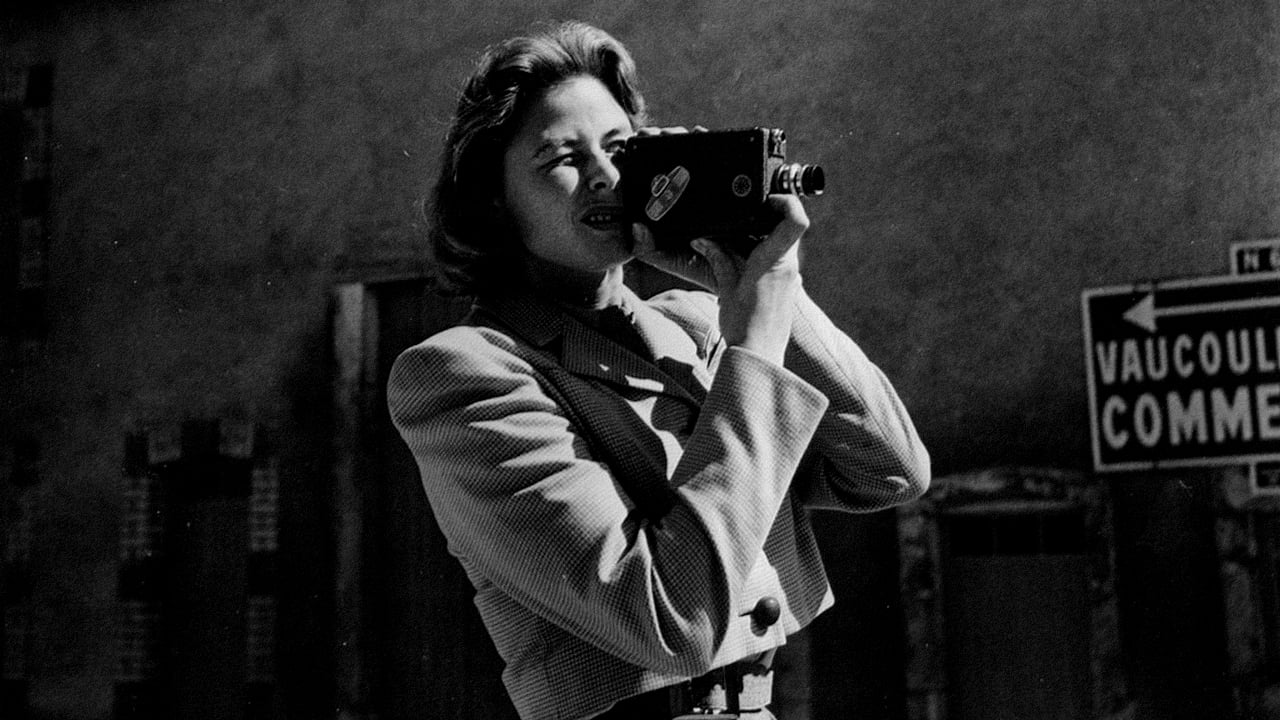
Sweden's shelf is dominated by cinema. Ingrid Bergman: In Her Own Words draws on the actress's diaries, letters and home movies, with her four children as guides. Ingmar Bergman is seen at work in Ingmar Bergman Makes a Movie, a five-part study of the making of Winter Light, and in The Making of Fanny and Alexander; his own two documentaries about his island neighbours, Fårö Document and Fårö Document 1979, show a side of him that few expect, patient and curious about sheep farming and the school bus. Light Keeps Me Company is a son's portrait of the cinematographer Sven Nykvist. Astrid Lindgren, the creator of Pippi Longstocking, has two series, Astrid and Astrid Lindgrens älskade filmer.
Among the newer Swedish films, Ten Meter Tower is a seventeen-minute gem: people who are new to the high board climb up, look down, and decide. The Last Journey sends two television presenters to France in an old Renault with one of their fathers, a retired teacher of French, in the hope of restoring his spirits; it became the most successful documentary in Swedish cinema history. Nice People follows a group of young Somali men in the town of Borlänge who form a national bandy team and train for the world championship on ice they have barely stood on. Martha & Niki is about two friends who win the world's biggest street dance contest, and And the King Said, What a Fantastic Machine is a witty history of the camera. The History of Sweden covers fifteen thousand years in ten episodes.
Denmark's speciality is the cycling film. Jørgen Leth's A Sunday in Hell follows the Paris–Roubaix race of 1976 over the cobblestones of northern France with more than twenty cameras, and many riders call it the best film ever made about their sport; Stars and the Water Carriers is his earlier account of the Giro d'Italia. Leth also made Stop for Bud, on the pianist Bud Powell, and at eighty-five co-directed Music for Black Pigeons, in which jazz musicians try to say what happens when they play. Into the Ice descends with three scientists into the meltwater shafts of the Greenland ice sheet, The Expedition to the End of the World sails a three-masted schooner into fjords newly free of ice, Danish Dynamite recalls the football team of the 1980s, and Good Things Await portrays an eighty-year-old farmer who works by the stars.
Finland contributes a trilogy of nature films in which folklore and photography meet: Tale of a Forest, Tale of a Lake and Tale of the Sleeping Giants, together with their concert version Nature Symphony. Return of the White-tailed Eagle has the highest score in the channel. Helsinki, Forever assembles the capital from a century of film clips, Midsummer Night's Tango explains why Finns claim the tango as their own, Karaoke Paradise tours the country's singing bars, and Hobbyhorse Revolution meets the teenage girls who have turned riding a toy horse into a competitive sport. Ice hockey has The Finnish Flash - A Teemu Selänne Story and football Kuningas Litmanen.
Nature
Seen by subject, the catalogue offers forty-two nature titles, and the nature guide lists the highlights. Asia leads with Born in China, The Glacier Fox, which follows a pair of foxes in Hokkaido through a year, Aerial China and Blue Realm. Northern Europe supplies the Finnish trilogy, the Dutch films of delta, heath and tidal flat, and the Danish expeditions to Greenland. The Norwegian adventurer Lars Monsen has three series: Across Canada with Lars Monsen, Monsen og nasjonalparkene and Monsen and the dogs, in which he sets out to become a champion sled-dog driver. From Central Europe come Wild Prague, Simona, Honey Hunters and the curious Rabbit à la Berlin, which tells the history of the Berlin Wall from the point of view of the rabbits that lived in the grassy strip between its two fences. Aldabra: Once Upon an Island visits the giant tortoises of a coral atoll, and Optimistens guide til planeten travels with the actor Nikolaj Coster-Waldau in search of good news about the environment.
Food
Twenty-two titles are about food, and the food guide sorts them by country. They share a point of view: a dish is the end of a long story that begins with a farmer, a fisherman or a forager. The Chinese and Korean series make this explicit in every episode. The Japanese films concentrate on single masters and their decades of practice. The Most Remote Restaurant in the World follows a chef who moves his two-star kitchen to a settlement of fifty people in Greenland for a summer. A good evening can be made of one episode of A Bite of China followed by Ramen Heads, though it is wise to eat first.
Sport
Sport is the second largest subject, with forty-eight titles, and the sport guide groups them. Football runs through every channel, from Pelé Forever and Puskás Hungary to Danish Dynamite and the Dutch club series That One Word - Feyenoord; Sweden adds The Referee, on the man with the whistle, and The Other Sport, a history of the women's game. The Olympic films form a handsome set: Tokyo Olympiad, Sapporo Winter Olympics, Beijing 2008 Olympic Opening Ceremony and Going for Gold. Motor racing has Senna by Ayrton, Superswede: A film about Ronnie Peterson and the Verstappen series. Ice hockey has CCCP Hockey, on the five Soviet players who were the best line in the world, and endurance has Project Iceman, in which a Dane attempts a full triathlon in Antarctica. The Polish and Czech mountain films, Sumodo: The Successors of Samurai, Magnus, North of the Sun and Ten Meter Tower complete a very wide field.
Music and dance
Forty-three titles are about music and dance, and the music guide offers a way in. Brazil accounts for almost half of them. Japan sends Ryuichi Sakamoto: CODA and Shakuhachi: One Sound One Life, on the bamboo flute; Poland sends the tape pioneer of 15 Corners of the World; Denmark sends its two jazz films; and Sweden Jan Johansson - en liten film om en stor konstnär, on the pianist who set folk tunes to jazz. Pop is represented by a-ha: The Movie, Marcus & Martinus: Together, BTS Monuments: Beyond the Star and the Dutch series Nick, Simon & Kees: The Beatles, in which three friends follow their heroes to Liverpool and Hamburg. Dance has Ballet Boys, about three teenagers at the Oslo ballet school, Martha & Niki and Kieślowski's Seven Women of Different Ages. Singing together is the theme of Cool & Crazy, Karaoke Paradise and the children's orchestra of Instruments of a Beating Heart.
Cinema and screen
Thirty-seven titles look at the screen itself, and the cinema guide arranges them by country. Directors are well served: Kieślowski, Forman, Zeman, Kurosawa, Ozu, Mizoguchi, Ichikawa, Miyazaki, Bergman, Oliveira, and the Dane Carl Th. Dreyer, filmed in conversation in 1966. The Road to Bresson is a Dutch pilgrimage to the reclusive French master, and Ben-Hur: The Making of an Epic tells how the chariot race was filmed. Chinese-language cinema appears in Flowers of Taipei: Taiwan New Cinema, Cinema Hong Kong: The Beauties of the Shaw Studio, Traces of a Dragon: Jackie Chan & His Lost Family and Swimming Out Till the Sea Turns Blue, in which the director Jia Zhangke listens to three generations of writers. Television and games have their historians too: Castelo Rá-Tim-Bum: Reencontro reunites the cast of a beloved Brazilian children's programme, Hasse & Tage - En kärlekshistoria remembers Sweden's favourite comedy duo, Game Story and Thank You for Playing: Iconic Video Game Magazines recall the early years of Czech and Polish computer games, and PressPausePlay asks what the digital age has done for creativity.
Art and ideas
Forty titles are filed under art and ideas. Painting belongs chiefly to the Dutch channel and architecture to the Brazilian, with Antonio Gaudí from Japan, Czechoslovak Architecture 58–89 from Prague and Kiruna - A Brand New World, about a Swedish mining town that is being moved street by street to new ground. The Chinese palace series belong here, as do Hanzi, on the design of Chinese characters, and two films about poets, Like the Dyer's Hand and The Inspired Island: A Life That Sings. Literature has José & Pilar, Only Ten Percent Is a Lie, on the Brazilian poet Manoel de Barros, Dreaming Murakami, on the Danish translator of the Japanese novelist, and Língua - Vidas em Português, a journey through the countries that speak Portuguese. Language itself is the subject of three cheerful Scandinavian series, Värsta språket, Svenska dialektmysterier and Typisk norsk. Science and technology are represented by physics of light, the spaceflight film Shenzhou 13 and Nokia Mobile: We Were Connecting People.
People and places
The largest subject, with sixty-eight titles, gathers the films of observation, travel and national history. Many have been described above under their channels: the Polish city films, the Japanese schools, the Chinese families, the Brazilian portraits, Bergman's island and the Norwegian train. To them may be added the histories, The History of Sweden, The History of Denmark, The Story of The Netherlands and Horizontes da Memória; the Japanese walking series Somewhere Street and the short Nara: A Journey Through Mysteries; The Secret Lives of Kyoto Folk; the Danish travel series Fra Kap til Kilimanjaro; Balaton retró, an album of Hungarian lakeside holidays; and Olje!: Historien om det norske oljeeventyret, on how Norway learned to manage its oil.
Choosing for the family
Most of the catalogue suits anyone old enough to read subtitles, and the family viewing guide picks titles by age. For small children the best choices are the animal films with simple stories, Born in China, Panda Days, The Glacier Fox and Wild Horses - A Tale From The Puszta, and the short films with hardly any words, Glass and Zoo. From about nine, Kon-Tiki is an adventure that children remember for life, and Amazing Dinoworld, Jump Boys!, Please Vote for Me and Jonas and the Backyard Circus show children of their own age. Teenagers may like Magnus, Hobbyhorse Revolution, Martha & Niki, North of the Sun, Game Story and the animation films.
A few titles call for a word beforehand. The mountaineering films and Superswede: A film about Ronnie Peterson recall climbers and a driver who lost their lives. A New Kind of Wilderness is about a family adjusting after the loss of a mother, told with great tenderness. Old Partner ends with the passing of an old ox. Nature films show animals hunting. Each title page carries a full summary, so a parent can read it in a minute and decide.
By period
Forty-three titles were made before 1990. The earliest is Kon-Tiki of 1950, and the 1950s and 1960s are rich in short classics: The Artist and the City, Ikebana, Glass, Warsaw Main Station, Zoo, Garrincha: Joy of the People, Tokyo Olympiad and The Office. Fifty-six titles date from 1990 to 2009, among them Cool & Crazy, Santiago, Please Vote for Me and Old Partner. The decade from 2010 to 2019 is the fullest, with 119 titles, including A Bite of China, Magnus, Born in China, Life is Fruity and Tsukiji Wonderland, and eighty-two titles have appeared since 2020, such as The Balcony Movie, Songs of Earth, Close to Vermeer and Hayao Miyazaki and the Heron.
The top rated
The Top rated list holds the thirty-seven titles that score at least 7.3 out of ten from fifteen or more viewers. Every channel is represented: Poland by Talking Heads and The Balcony Movie, Japan by Life is Fruity, Tokyo Olympiad and Tsukiji Wonderland, China and Korea by A Bite of China, Four Springs and Old Partner, Brazil and Portugal by Waiting for the Carnival, Santiago and José & Pilar, the Netherlands by Glass, and the Nordic countries by Kon-Tiki, Twin Sisters, North of the Sun and Songs of Earth. If an evening calls for a safe choice, this is the list to open.
Search and the A to Z
The search field sits in the navy bar on every page. Type a few letters and results appear at once beneath it; the search looks at titles, original titles, directors and the people on screen. The finding titles page summarises the methods. Typing "K2" brings three films, "ramen" brings two, "Bergman" brings the actress and the director, and "Kieślowski" brings four shorts and a portrait. An original title works as well as the English one, so "Gadające głowy" leads to Talking Heads, and accents and special letters may be left out.
The A to Z page sets out all 300 titles in a single alphabetical index. The Films and Series pages show the two formats on their own, most popular first, and each of the twenty-one lists has a page of its own with a line of description and a count.
My List
A catalogue drawn from twelve languages is easier to enjoy with a programme of your own. Each documentary page carries an Add to My List button beside Watch now, and a single press puts that title on your programme. The red button in the navy bar opens it, with every saved title shown as a still and a Remove button beneath. The My List page explains each button. The programme stays in the browser of the device you are using, ready on your next visit, and the list page lets you download it as a small file to keep or to carry to another computer.
How Watch now works
Every title page has a country selector with fifteen countries, among them Poland, the United States, the United Kingdom, Japan, Brazil, Portugal, the Netherlands and the four Nordic countries. Pick yours and press Watch now. JustWatch opens on the page for that title and shows the services that carry it there, grouped by subscription, rental, purchase and free viewing. Public broadcasters, the large streaming services and the specialist documentary platforms all appear in those lists. Availability differs from one country to the next, which is why the selector comes first.
A first fortnight
Here is a plan for fourteen evenings that visits all six channels. Begin with Born in China, which will please the whole room. On the second evening watch Kon-Tiki, and on the third the short films Glass, Zoo and Talking Heads, which together last thirty-five minutes. The fourth belongs to Life is Fruity, the fifth to an episode of A Bite of China, the sixth to Elis & Tom: It Had to be You, and the seventh to Magnus. In the second week, try The Balcony Movie, Tokyo Olympiad, Four Springs, Santiago, Close to Vermeer and Songs of Earth, and finish with The Last Journey. By then you will know which channel suits you best, and Dokumentalne will have more than two hundred and eighty documentaries still to offer.
Questions and answers
Questions
What is Dokumentalne?
Dokumentalne is a guide to 300 documentary films and series from six parts of the world, 1950 to 2026, sorted by channel and by subject.
Which documentary should I watch first?
Start with Born in China for nature, Kon-Tiki for adventure, Life is Fruity for a gentle evening or Magnus for sport of the mind.
Is the catalogue suitable for families?
Yes. Every summary was read by hand, and the selection favours wildlife, food, sport, music, cinema, art and everyday life.
Which channels are there?
Poland and Central Europe, Japan, China and Korea, Brazil and Portugal, the Netherlands, and the Nordic countries, with between 28 and 73 titles in each.
Which subjects are covered?
Nature, food, sport, music and dance, cinema and screen, art and ideas, and people and places.
How many series are listed?
70 series with 2,497 episodes between them, from the 502 programmes of Document 72 Hours to series of two or three parts.
How does My List work?
Press Add to My List on a title page. The programme stays in your browser on that device, and the list page lets you download it as a file.
Does Dokumentalne host documentaries?
Dokumentalne is a guide only. Every Watch now button opens JustWatch, which lists the official streaming, rental and purchase services for your country.
